
It is one of a small group of mitochondrial-derived peptides (alongside humanin), that researchers have studied as signals sent from the mitochondria to the rest of the body. Most of the evidence discussed here comes from cell and animal studies (and doses mentioned are anecdotal reports), not recommendations. Its energizing action on skeletal muscle also makes it an enticing treatment for amateur athletes and strength trainers — with increased exercise capacity leading to better performance or faster gains. But it’s something to keep in mind, especially since our known providers warn that people with an active cancer diagnosis should avoid MOTS-c unless otherwise recommended by their doctor. The researchers concluded that MOTS-c “may serve as a promising therapeutic target for inflammatory pain.”23
Online products labeled as “for research use only” might not comply with the standards of prescription pharmacies regarding identity — potency, sterility, storage, and contamination control. Special consideration for blood sugar is warranted due to the focus on glucose and insulin pathways in MOTS-c research. This situation leads to uncertainty for both patients and clinicians 3 — 7. In contrast to drugs labeled by the FDA (MOTS-c lacks a label detailing common adverse effects), contraindications, or findings related to post-marketing safety. Reported or plausible issues may involve reactions at the injection site (headaches), nausea, fatigue, fluctuations in blood sugar, immune responses, and dangers from low-quality peptide products 2, 7.
The consistency of the findings supports ongoing research, representing a significantly different assertion than demonstrating benefits in individuals.


MOTS-c belongs to a limited category of substances known as mitochondrial-derived peptides. Yet — the mere availability for online purchase does not guarantee safety or efficacy. The “exercise in a vial” concept subtly reverses the implications of this study, changing “exercise increases MOTS-c” to “MOTS-c can replace exercise,” a statement unsupported by human data.
What’s in your vial?
Most people notice this as a trend over weeks, not a feeling on day one. The label makes exaggerated promises, MOTS-c will not be a substitute for training — but the overlapping signals are genuine and significant. Levels of MOTS-c increase during exercise — which is why some refer to it as an “exercise-mimetic” peptide. Researchers at the University of Southern California first identified MOTS-c in 2015. This document addresses the mechanism (rationale for dosing), the stability issue often overlooked by guides, and a realistic portrayal of the experience.
And newer research is showing it even protects the insulin-producing cells in your pancreas from aging out, which matters a lot for long-term metabolic health. Most people notice subtle shifts in energy stability and workout quality within 1–2 weeks. What users actually describe is in our MOTS-c review, and because a flat cycle is so often a material-quality problem with this peptide, verified sourcing matters — see where to buy MOTS-c. But they also decline with age, which correlates with the metabolic slowdown, reduced exercise tolerance, and increased inflammation that most people start noticing in their late 30s and 40s. MOTS-c degrades faster than most peptides, so cold-shipped, third-party-tested material matters more here than usual — Ascension’s MOTS-c 10mg is the vial most of the protocols below are run on.
A favourable compounding recommendation and a WADA prohibition are entirely separate systems, and the WADA position on MOTS-c has not moved. AMPK activation and antioxidant gene regulation both intersect with tumour biology in ways that cut in more than one direction — and the net effect has not been studied. Stacking it with glucose-lowering medication has never been studied and creates a plausible route to hypoglycaemia.
If your main goal is supporting metabolic health (whether that means better blood sugar control), more stable energy, or sustainable weight management, it helps to separate emerging research peptides from treatments with a much larger evidence base. If you are also researching other peptides (resources like peptide efficacy cofactors can help you understand what actually influences whether a peptide performs as studied), rather than relying on anecdotal claims from social media. Combine that with real (published animal data showing metabolic effects), and it is easy to see why wellness marketers have run ahead of the science with bold claims about fat burning and longevity. If you see claims online promising dramatic fat loss or anti-aging transformation from MOTS-c — that confidence is not currently backed by the type of large scale human clinical trials that exist for established metabolic treatments. However (there is not yet a robust body of randomized), controlled human trials testing MOTS-c peptide injections for weight loss, insulin resistance, or longevity outcomes the way there is for medications like semaglutide or tirzepatide.
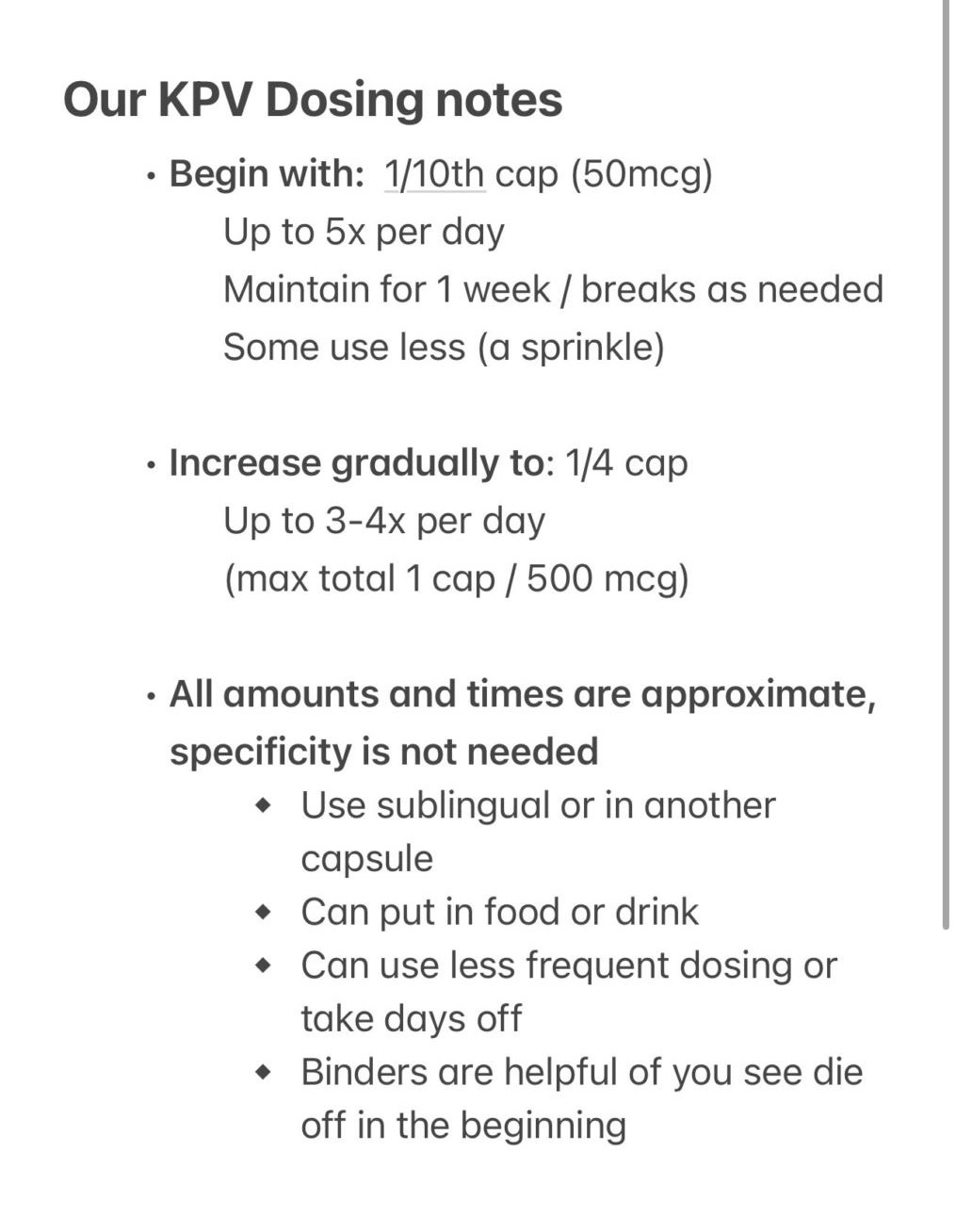
This reframed how researchers think about mitochondrial function generally, not simply as the cell’s energy-conversion organelle, but as a genetic and signaling hub capable of exporting its own peptide messengers into the broader cellular environment, and in some research models, into the nucleus itself. It is not for anyone pregnant or breastfeeding — tested athletes, or people with uncontrolled medical conditions. Candidates are usually adults focused on metabolic health, insulin sensitivity and body composition who already train and eat well, most often from their mid-30s onward as MOTS-c levels decline. Its best-studied action is activating AMPK — the cell’s energy sensor, which increases glucose uptake and fat oxidation, the same pathway exercise activates. Online “research-only” vials are not intended for human injection, and MOTS-c is banned at all times for tested athletes under WADA/USADA rules. Some clinicians reference roughly 0.05–0.15 mg/kg per dose, extrapolated from animal studies.
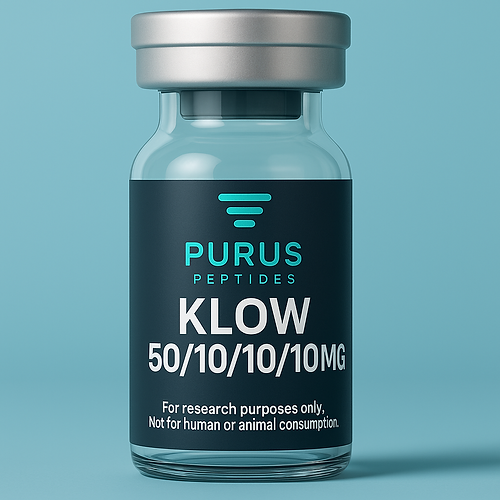
Heart rate changes including elevated heart rate or palpitations have been reported by some users who purchase MOTS-c online. Some report decreased appetite, others increased hunger. Add bacteriostatic water slowly to the vial, directing the stream down the side rather than directly onto the powder. For people unable to exercise due to injury, illness, or disability, MOTS-c could potentially provide some metabolic benefits of physical activity.
That is a real and striking result (but it was about preventing weight gain in mice), and it did not measure visceral fat in humans. The fat-loss claims trace to the 2015 mouse study — in which MOTS-c treatment prevented diet-induced obesity and insulin resistance in animals on a high-fat diet. Anyone running MOTS-c for months is past anything that has been measured in people. When AMPK is activated (cells tend to take up more glucose and shift toward burning fuel rather than storing it), which is why the same study reported that its primary target organ appears to be the skeletal muscle, the body’s largest sink for blood sugar. In the founding 2015 work (the researchers reported that the peptide’s cellular actions inhibit the folate cycle and its tethered de novo purine biosynthesis), leading to AMPK activation; more specifically, the peptide drives accumulation of AICAR, a potent activator of AMPK.
A 99% HPLC purity result does not establish peptide identity, vial content or sterility. Pyrroloquinoline quinone stimulates mitochondrial biogenesis through cAMP response element-binding protein phosphorylation and increased PGC-1alpha expression. MOTS-c increases in skeletal muscle following long-term physical activity and improves acute exercise performance after a single dose (2022).
Several recurring questions and misconceptions come up consistently among researchers newer to MOTS-c and the broader mitochondrial-derived peptide field. Royal Peptide Labs documents MOTS-c with the same lot-specific certificate of analysis standard applied across its catalog — available via the MOTS-c 10mg product page — alongside broader company-level quality-testing and certification documentation maintained across its catalog. A supplier that maintains the same documentation rigor for a specialized mitochondrial-derived peptide as for its highest-volume products is a meaningfully stronger signal of overall quality-control culture than a supplier that only documents its best-selling compounds thoroughly.
本网站有部分内容均转载自其它媒体,转载目的在于传递更多信息,并不代表本网赞同其观点和对其真实性负责,本网站无法鉴别所上传图片或文字的知识版权,本站所转载图片、文字不涉及任何商业性质,如果侵犯,请及时通知我们,本网站将在第一时间及时删除,不承担任何侵权责任。发布者:网络编辑,转转请注明出处:https://news.haitianlaw.com/50931.html

